...OH, ONE MORE THING - PLEASE BOOKMARK US & VISIT DAILY!
By Wade Keller, MMATorch supervising editor The 1974 movie "The Wrestler" starring Ed Asner is a must-see movie for MMA fans who want to understand the evolution of the sport, and more so, the industry of MMA.
Not to be confused with the upcoming movie titled "The Wrestler" starring Mickey Rourke, this movie - which I watched this weekend for the first time in ten years - was a remarkable lesson in how the marketing of fights works behind the scenes.
This movie was created with many motivations and messages, the main one being trying to justify to skeptics that pro wrestling is "real" and that wrestlers are "legitimately tough" despite growing knowledge that match outcomes were fixed.
The tie-in, though, to MMA has nothing to do with MMA fights being fixed, which as of yet is not an issue of great concern from everything we know (although in any one-on-one sport with high stakes gambling involved, that cloud always lingers). Where "The Wrestler" works as an MMA-related film is that if you presupposed, for the sake of the drama of the movie, that it's based on a world in which pro wrestling matches in the early 1970s were actually real (suspend your disbelief, in other words), it's much like the MMA world of today.
There are several poignant lines in the movie regarding embellishments of personal issues between fighters meant to add interest to fights. The promoter has mixed concerns, not only wanting to promote a sport with integrity, but also wanting to make money. The promoter (played by Ed Asner) wants to headline with the best wrestler in the world, and test him with up-and-coming fighters, because that's what the fans expect him to deliver. However, he is conflicted by whether his headline wrestler is too old and should retire. (The headline wrestler, played by Verne Gagne, is about Randy Couture's age in this movie.)
The give and take between the champion wrestler and the top promoter will resemble how you probably imagine Randy Couture or Tito Ortiz back in the day or any number of other top wrestlers interacting with Dana White regarding who to fight and when and how to best promote it.
MMA is always going to struggle as a sport between booking the best fighters against one another to find out who is truly the best and the competing desire to maximize revenue by sometimes giving top billing to fights and fighters that the masses are most likely to pay to see. Those two sets of fights are often in conflict, much to the frustration of a deserving contender who the fans don't yet know.
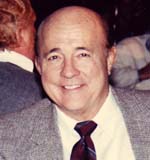
Verne Gagne [photo by Wade Keller (c) MMATorch]
The top contender to the championship, played by Billy Robinson of England, is a newcomer and not very well known to wrestling fans at a time. The movie centers in part around how to book him against champion (Verne Gagne) so he can get the belt off of the aging star, but draw money in the process.
Meanwhile, the mob interjects itself and wants the fight to go a certain way, and tries to strong-arm the promoter into throwing the fight. Again, a situation that you can imagine either has happened or might happen in the Las Vegas MMA world.
The scene that long-time MMA followers might find most amazing was when the promoter is debating the media about their lack of coverage of his matches. It's a back-and-forth right out of 1995 or 2000 when UFC was trying to get the mainstream media to pay attention to its fights. (I had several lengthy conversations, myself, in the mid-'90s with reporters from major media entities who didn't "get" UFC and didn't know how to cover it, or didn't want to cover it.)
The reason the media resisted covering pro wrestling (fights were fixed) was, of course, different than the reason they resisted covering MMA (they didn't understand it; it has a rep for being violent and brutal; it competed with the boxing establishment; mainstream sports reporters are older and MMA's audience is markedly younger). Still the exchange is fascinating when you watch the movie from the perspective of substituting MMA for pro wrestling and the mid-'90s for the early-'70s.
The movie itself has flaws. It's disjointed at times, with unnecessary scenes from a storytelling standpoint that are included (thankfully, in retrospect) just to give some camera time to some entertaining wrestlers of that era and send a message to the audience about how tough wrestlers really are. But the acting isn't bad overall, with Asner playing the lead role well. And the early-'70s era setting, with the crowd shots, the older fight venues, and the smoke-filled atmosphere with old-time ring announcers gives a great aura to the entire movie. You also can't help but be sympathetic to the protective, defensive stance of the pro wrestling people who made this movie because the deep respect for the art of wrestling comes through. They were showman trying to make a living by presenting the sport they loved in the only marketable way they knew how. While pro wrestling may seem fake and blasphemous to many MMA fans today, the evolution of MMA has undergone many compromises itself to survivie and get to where it is now. Fortunately, scripting fights and fixing outcomes was not necessary for UFC to become the PPV success it has over the last 15 years.
Any MMA fan should find a way to watch it (many used copies are available cheap on online sites cheap), especially if you're willing to accept that in MMA, the most deserving contenders don't always get their opportunities in a fair and just manner and that marketing and politics has a lot to do with what fights we see on UFC PPVs each month. Those who don't believe Brock Lesnar deserved his title shot against Couture will see many parallels with Robinson and Gagne in this movie.
DON'T GO YET... WE SUGGEST THESE MMATORCH ARTICLES, TOO!
Jamie Penick, editor-in-chief
(mmatorcheditor@gmail.com)
STAFF COLUMNISTS: Shawn Ennis - Jason Amadi
Frank Hyden - Rich Hansen
Chris Park - Matt Pelkey
Interested in joining MMATorch's writing team? Send idea for a theme to your column (for Specialist section) or area of interest (i.e. TV Reporter) along with a sample of writing to mmatorch@gmail.com.